

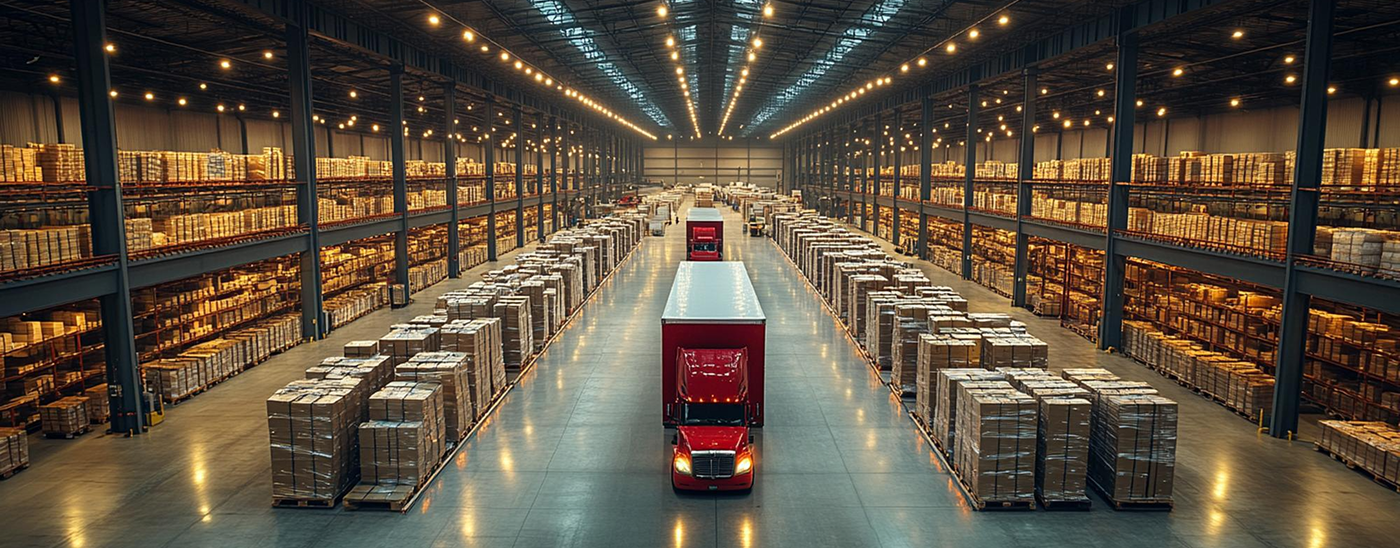
Cold chain logistics is rapidly evolving with the adoption of smart technology, transforming the way temperature-sensitive products are stored, monitored, and transported. Industries such as food, pharmaceuticals, biotechnology, and healthcare now rely on advanced digital solutions to maintain product quality, reduce waste, and improve operational efficiency throughout the supply chain.
Smart technologies such as the Internet of Things (IoT), artificial intelligence (AI), cloud computing, GPS tracking, and automated monitoring systems provide real-time visibility into every stage of the cold chain. These innovations help businesses respond quickly to potential issues, ensure regulatory compliance, and deliver products safely to customers.
“Smart technology is redefining cold chain logistics by combining real-time visibility, automation, and predictive intelligence.”
1. Internet of Things (IoT) Monitoring
IoT-enabled sensors continuously monitor temperature, humidity, and environmental conditions throughout storage and transportation. Instant alerts help logistics teams respond quickly to prevent product damage.
2. Artificial Intelligence (AI) Analytics
AI analyzes logistics data to predict equipment failures, optimize delivery routes, and improve inventory planning. Predictive insights reduce operational costs while increasing supply chain efficiency.
3. GPS and Real-Time Shipment Tracking
Advanced GPS tracking allows businesses to monitor vehicle locations and shipment conditions in real time. This improves visibility, enhances customer communication, and enables faster decision-making.
4. Cloud-Based Data Management
Cloud platforms centralize shipment records, temperature logs, and compliance documents, making information accessible from anywhere while simplifying audits and reporting.
5. Automated Temperature Alerts
Automated monitoring systems immediately notify operators when temperatures exceed acceptable limits, allowing corrective actions before product quality is affected.
6. Smart Warehousing Solutions
Modern cold storage facilities use automated inventory management, robotics, and intelligent climate control systems to improve storage accuracy, productivity, and energy efficiency.
7. Predictive Equipment Maintenance
Smart sensors monitor refrigeration equipment performance and identify maintenance needs before failures occur, reducing downtime and protecting temperature-sensitive products.



Excellent article! The explanation of AI and IoT in cold chain logistics was very insightful.
Great read. I found the section on smart warehousing and predictive maintenance especially useful.
Very informative content. The future trends in cold chain technology are explained clearly and professionally.