

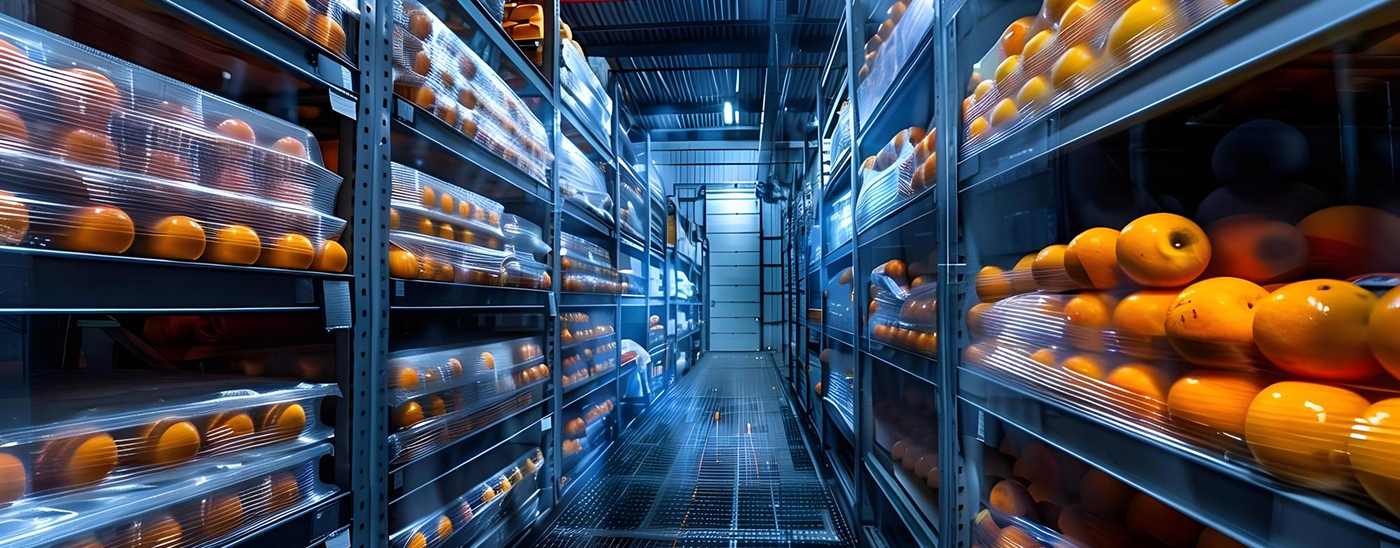
Fresh, high-quality food depends on more than careful production—it requires a reliable cold chain that maintains the correct temperature from harvest to the final destination. Cold storage facilities and refrigerated transportation work together to preserve freshness, slow bacterial growth, and extend product shelf life, ensuring consumers receive safe and high-quality products.
Temperature-controlled storage is essential for a wide range of products, including fresh fruits, vegetables, dairy, seafood, meat, frozen foods, and ready-to-eat meals. Even minor temperature fluctuations can accelerate spoilage, reduce nutritional value, and affect taste, texture, and appearance. Modern cold storage warehouses use advanced refrigeration systems and continuous temperature monitoring to maintain consistent conditions around the clock.
“Cold chain logistics is more than moving goods it’s about preserving freshness, protecting quality, and delivering confidence at every stage of the journey.”
1. Maintain Consistent Temperature Control
Keeping products within their required temperature range throughout storage and transportation helps preserve freshness, prevent spoilage, and ensure regulatory compliance.
2. Invest in Advanced Monitoring Systems
Advanced monitoring systems provide real-time temperature tracking and instant alerts, helping businesses protect product quality, ensure compliance, and respond quickly to any temperature fluctuations.
3. Optimize Cold Storage Operations
Optimized cold storage operations improve inventory management, maintain consistent temperatures, and preserve product freshness while increasing efficiency and reducing operational costs.
4. Ensure Safe Refrigerated Transportation
Reliable refrigerated transportation maintains precise temperature control throughout transit, protecting product quality, preventing spoilage, and ensuring safe, on-time deliveries.
5. Follow Food Safety & Compliance Standards
Following food safety regulations and cold chain compliance standards ensures temperature-sensitive products remain safe, high-quality, and fully compliant throughout storage and transportation.
6. Reduce Food Waste Through Smart Logistics
Smart logistics strategies help reduce food waste by optimizing storage, transportation, and inventory management, ensuring products stay fresh while minimizing spoilage and unnecessary losses.
7. Build a Reliable End-to-End Cold Chain
From warehouse storage to final delivery, seamless coordination between facilities, fleets, and monitoring systems ensures every shipment arrives fresh, safe, and on time.



“ This article provides valuable insights into the importance of maintaining a reliable cold chain. The practical tips on temperature monitoring, refrigerated transportation, and food safety clearly highlight how proper logistics can reduce waste while ensuring product quality from storage to final delivery. ”
Excellent article! It does a great job explaining how cold storage preserves food quality throughout every stage of the supply chain. The focus on temperature consistency and reducing food waste was particularly valuable.
Very well written and informative. I appreciated the clear explanation of how an uninterrupted cold chain helps maintain freshness, food safety, and product quality from producers to consumers. Looking forward to reading more content like this.